Global brand consultancy Interbrand is best known for their annual Best Global Brands report. Using their own Brand Valuation Methodology, Interbrand systematically scores each brand—analysis of their financial performance, the brand role in purchase decisions, the brand’s competitive strength, and a recently added factor of ESG—which are then ranked into Top 100 Global Brands. When a brand becomes a measurable asset, it not only considers public trust and emotional preferences, but also reveals its ability to generate value in the future. In this article, we single out a key takeaway from each report from 2020-2025 to see how brands and strategies change throughout the years.
2020: A New Decade of Possibility
The pandemic in 2020 increased social outrage and further polarized people, leading to a growing sense of human disempowerment. This begs the question: What is a brand’s role in an anxious world?
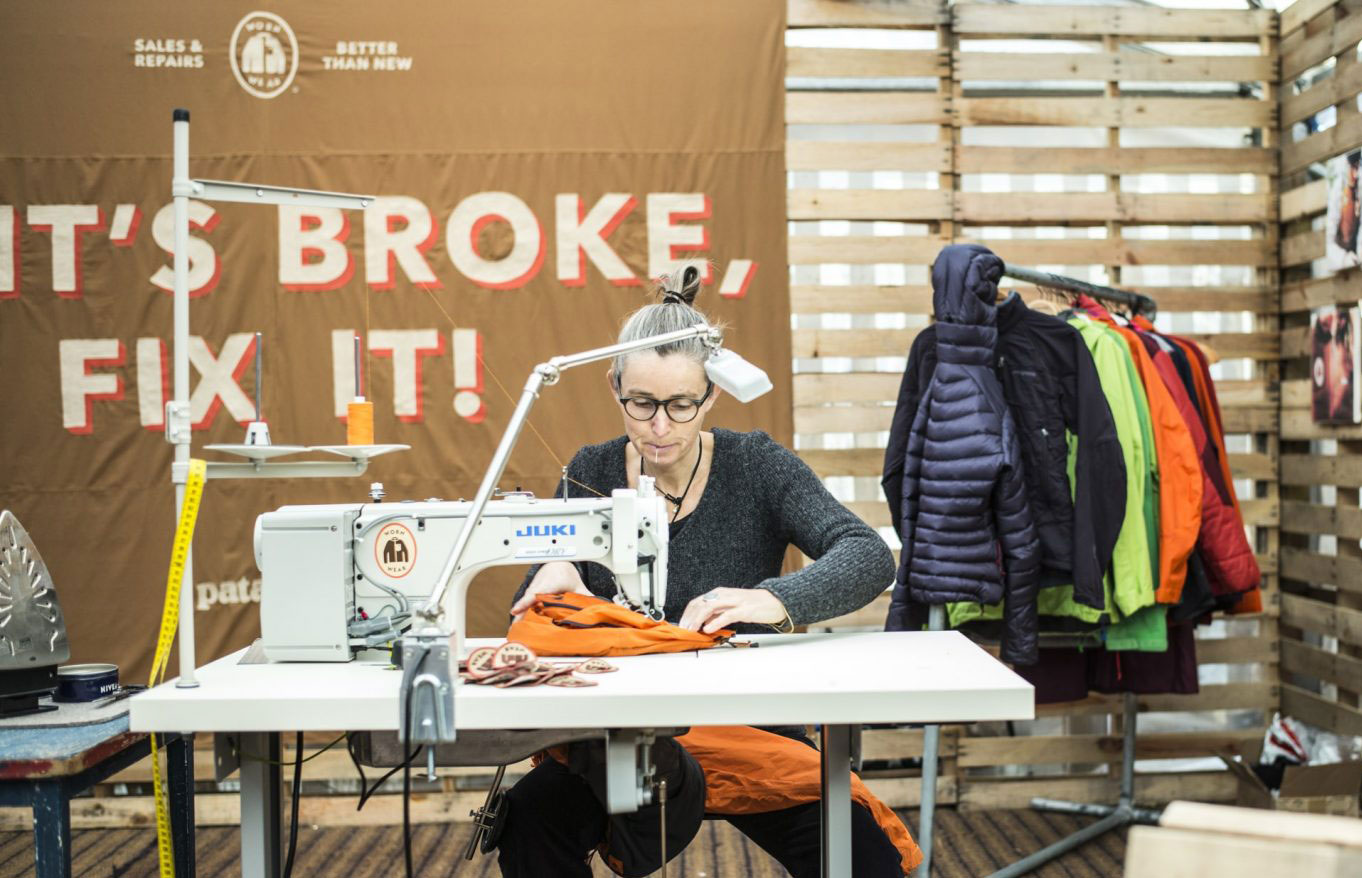
The 2020 report demonstrated that truly influential brands continue to draw consumers in because they possess leadership, create engagement, and stay relevant to their audience. Microsoft, who grew 53% this year, connects their core business with customers’ needs and leads with a deep sense of empathy (Leadership). Patagonia does a great job of effective brand building through clear activism and engaging its consumer base of people with similar values (Engagement). PayPal, through the credibility that they built with their audience after mitigating concerns around fraud, becomes a trusted choice for consumers (Relevance).
In divided times, growth is defined by how brands show up for their consumers and the community. This year marks the start of increased expectations for brands to lead with empathy and take actions that benefit society. The brands that succeed in earning consumer trust and loyalty are those that continue to grow in revenue and presence.
2021: The Decade of Possibility
Market dynamics return to a bit of normalcy in contrast to the previous year, but consumer expectations become more complex. Rising brands start to become part of the solution instead of the problem. They are seen as the bridge between business and society, investors and people, profit and purpose, present consumption and future resources.
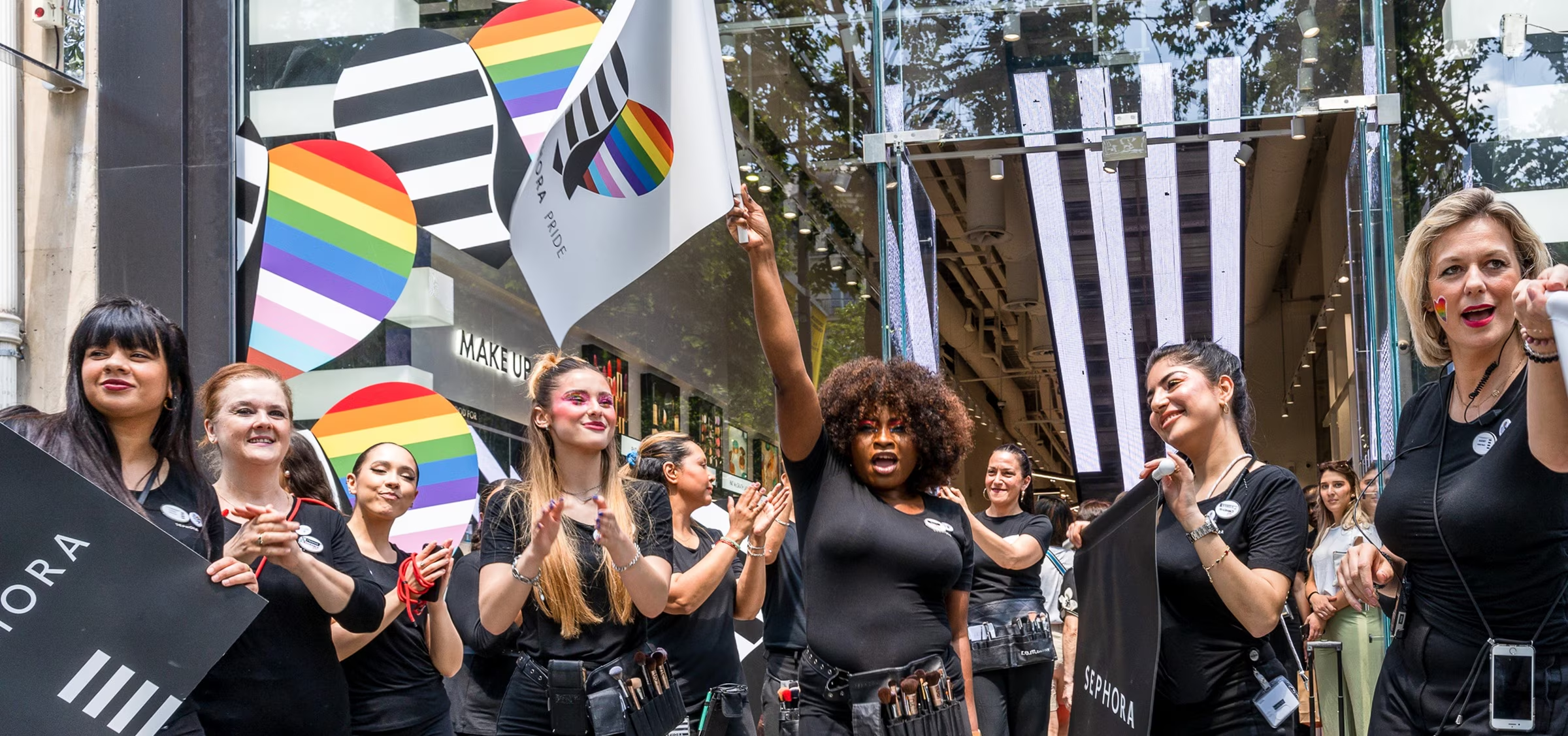
While the Top 10 in 2021 remained unchanged, one brand stood out amongst the rest. Sephora, out of so many brands out there, was the only singular brand to newly enter the Top 100 charts. With the company’s DEI initiatives to double the number of Black-owned brands by year end, retail expansion into Kohl’s, and their continued 15% pledge to support brands from underrepresented founders, Sephora makes real moves to drive real change in the world.
With so much change, the conversations in 2021 all had a single shared denominator—our future. Brands were expected not just to say something, but to also take a strong, unwavering stand within these conversations.
2022: Brands as Acts of Leadership
A study by global communication firm Edelman indicated that companies have become more trusted than government, media, and NGOs. As faith in government erodes, there is an even greater expectation for brands to step up. Here, brands start to become the world’s most powerful narratives.
Nike enters the Top 10 in 2022 with an 18% increase YOY and a brand value of $50,289 million. Arguably one of the most inclusive brands, Nike was built from a core belief that everyone is an athlete. Their Go FlyEase innovation team created a shoe that doesn’t have straps or laces and simply hinges open and closed, designed with both fashion and the needs of people with disabilities in mind. Being inclusive by design opened up more possibilities for Nike to serve the community.
It’s true that most brands have the ability to impact their customers’ choices and behaviors, but it takes a great brand to leave a legacy on local and international communities. As demonstrated with the Top 100’s first time ever $3 trillion value, there are many sources of growth potential and immense possibilities for brands. This is now an opportunity for business leaders to rethink their brands as their most influential acts of leadership.
2023: How Iconic Brands Lead Across Arenas
The total value of the Top 100 Brands have slowed down with a 5.7% growth in 2023 compared to a 16% growth in 2022. C-level executives are playing it safe after feeling the disruptions of the pandemic in past years. Focused on protecting their core, most brands made no significant gain or losses in strength or value, nor did they make notable moves.
One idea that stood out was how brands can capture attention by blending in. The concept seems counterintuitive, but this is how it works: people measure their entire experience by how much it adds to their lives and how little it disrupts it. “Blending in” does not constitute fading into the background but more so making consumers’ lives easier. For example, Adobe’s Gen Studio uses data and technology to expand its use cases and increase convenience to their consumers. Adobe’s superpower isn’t one feature, product, or cloud. It is their cross-cloud integration as a true platform.
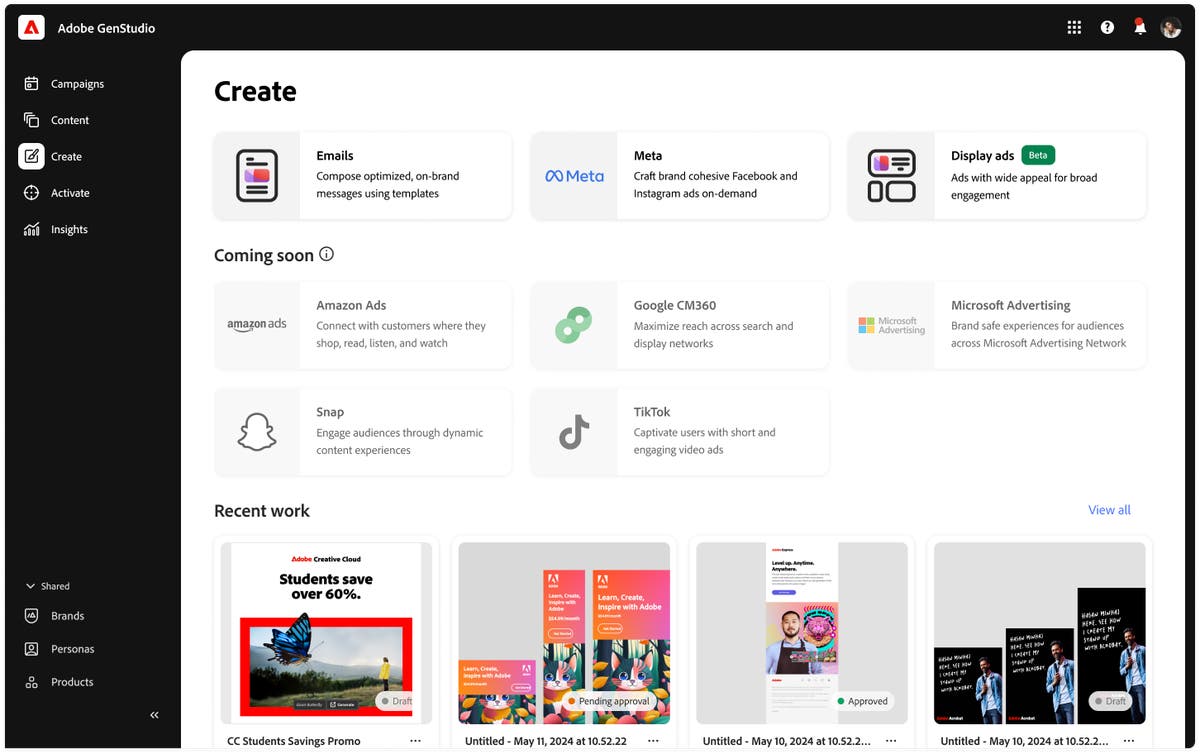
In the future, products will need to utilize individualism at scale. That is to say, with brands currently bringing personalization to consumers’ lives through audience segmentation, they will fall behind once other brands start operating on an individually specific level.
2024: The New Growth Paradigm
This year marked the 25th anniversary of Interbrand’s Best Global Brands Report. Over the past 25 years, 185 brands have been featured. Of those 185, 85 brands have disappeared over time— including previous household names like Kodak, Heinz, Nokia, AOL—and only 35 brands remained in the table over time.
25 years of analysis teaches us many things, and one of the most important note is that within this competitive market of goods, the brand becomes the only truly ownable point of difference—the only asset that cannot be legally replicated. Placing Brand at the core rather than a product leads to untethered growth. The Walt Disney Company diversified beyond animated content to film, franchise, theme parks, cruises, streaming, and real estate. IKEA’s bestselling product is the meatball, which means the furniture company is also one of the world’s most successful QSRs (quick service restaurants). Ferrari competes with Prada, Gucci, and Chanel in the luxury fashion sector, along with Porsche, Bugatti, and Aston Martin in the auto sector, redefining luxury and really utilizing their brand.

Instead of a “here’s what we do” mindset, these brands have a “here’s what we can help you do” mindset, and this difference sets them apart from other companies. They understand how, where, and when to leverage their brand across these dimensions to surpass expectations and traverse into new markets.
2025: Radical Realities
The rise of AI doesn’t necessarily create new challenges for brand leaders, but it accelerates the existing ones exponentially. There will continue to be brands with logos, labels, and names, but far fewer will be able to influence human choice.
Due to the rise of agentic commerce, customers will be able to buy directly from chat agents without leaving the conversation. This means no more browsing, store visits, reviews, peer conversations, and more. With the collapse of the customer journey, which is already underway with the Shopify x OpenAI partnership, the Role of Brand becomes more crucial than ever. It is crucial to determine the extent to which the brand, and the brand alone, is the driving choice over other factors such as price and functional benefit.
Companies need to start thinking about how to design to stay visible to bots, but also building real connections with humans to influence their choices. It’s a new landscape, and Brand is more important than ever to stay ahead.
At the end of the day, how do we view brands?
The word “brand” originally referred to marks used on livestock to show ownership. With the advancement of industrialization, companies began using names and trademarks to differentiate products and indicate quality. After World War II, the rise of mass media turned brands into vehicles of perception and emotional connection for the consumers. By the 1970s, the idea of brand positioning emerged, shaping the foundations of modern brand management.
In recent years, expectations of brands have continued to rise. With the growth of employer branding in the 1990s and ESG in the 2000s, brands have come to represent more than just better products and services; they signal a set of values and a way of life. Over the past five years, reports from Interbrand further suggest that brands are increasingly seen as a company’s response to the market, society, and even a form of leadership.
This shift calls for a rethink: brands are not something to merely manage or design. Once there is action or a set of choices, it reflects the entirety of a company’s stance. That is why recent PR crises often arise when the public can no longer separate the brand from the people behind it, whether that be leadership executives or founders.
Brand management teams today face more than just evolving marketing tools and technologies; they must also navigate shifting social issues and values, ranging from the environment and politics to equality and the economy.
In the end, perhaps “brand” is simply how a company shows up in the world and the choices it acts on when it matters most.